Health & Lifestyle9 min read
Healthy Eating and Gratitude: Islamic Perspective and Habits
Discover how Islam guides us toward mindful eating, moderation, and deep gratitude for the blessings of food on our tables.
Prayr Team · Islamic Content
Introduction: Food as a Blessing
In Islam, food is far more than sustenance for the body — it is a blessing from Allah that demands gratitude, mindfulness, and responsibility. Every morsel we eat is a gift that millions around the world do not have access to. Recognizing this transforms the simple act of eating into an act of worship.
Bismillah (In the name of Allah). The Prophet (peace be upon him) instructed us to begin every meal by mentioning Allah's name, and to eat with the right hand, and to eat from what is nearest to us.
— Prophet Muhammad (peace be upon him) — Bukhari and Muslim
The Principle of Moderation
No human ever filled a vessel worse than the stomach. Sufficient for any son of Adam are a few morsels to keep his back straight. But if it must be, then one-third for his food, one-third for his drink, and one-third for air.
— Prophet Muhammad (peace be upon him) — Tirmidhi
This hadith is one of the most profound pieces of dietary guidance ever spoken. Fourteen centuries before modern nutritional science confirmed the dangers of overeating, the Prophet (peace be upon him) laid out a simple, practical rule: divide your stomach into thirds. Modern research consistently shows that overeating leads to obesity, heart disease, diabetes, and lethargy.
Prophetic Foods and Their Benefits
- Dates (Tamr) — The Prophet broke his fast with dates. They are rich in fiber, potassium, and natural sugars that provide quick energy.
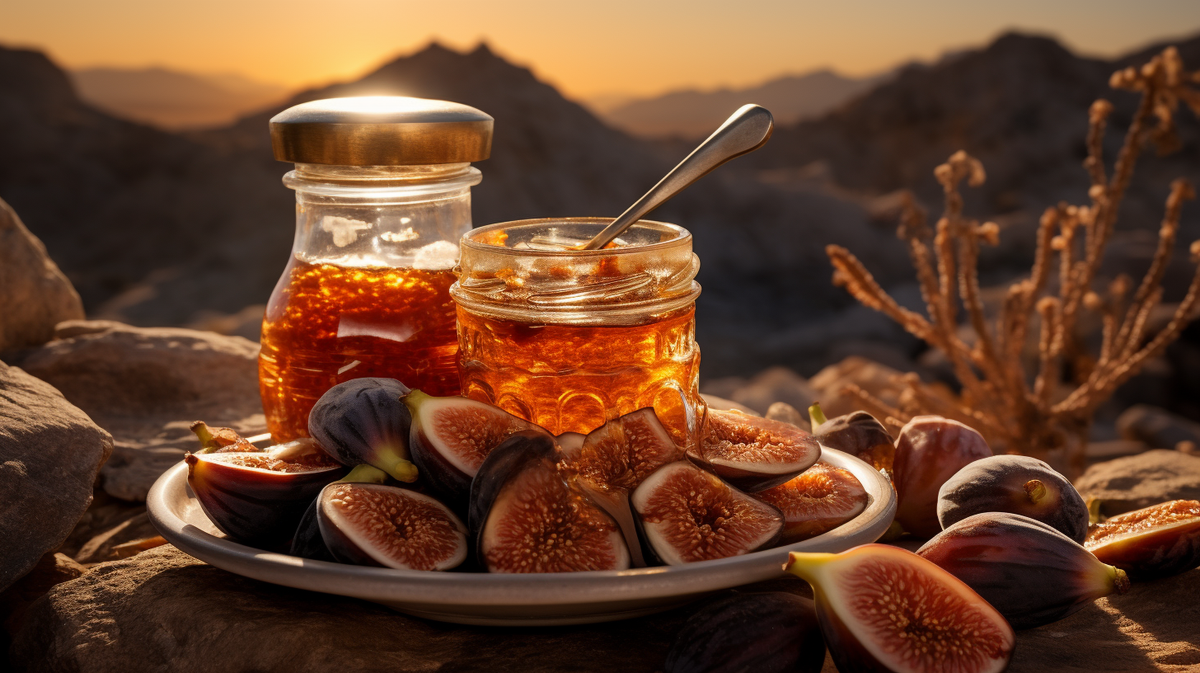
- Honey — Described in the Quran as having healing properties (An-Nahl 16:69). It is antibacterial, soothes the throat, and boosts immunity.
- Olive oil — The Prophet said "Eat olive oil and anoint yourselves with it, for it comes from a blessed tree" (Tirmidhi). Rich in healthy fats and antioxidants.
- Black seed (Habbatus Sauda) — The Prophet said it is a cure for every disease except death (Bukhari). Studies show anti-inflammatory and immune-boosting properties.
- Milk — The Prophet frequently drank milk and it was among his preferred foods. It is a complete food rich in calcium, protein, and vitamins.
- Barley (Talbina) — The Prophet recommended barley broth for the sick. Aisha (may Allah be pleased with her) narrated its benefit for grief and illness.
- Watermelon and melon — The Prophet ate watermelon with dates, balancing the cooling effect of one with the warmth of the other.
- Vinegar — The Prophet praised vinegar as a condiment, saying "How excellent a condiment vinegar is" (Muslim). It aids digestion and has antimicrobial properties.
Incorporating these foods into our diet is both a sunnah and a health benefit. Modern science has validated many of the benefits that the Prophet (peace be upon him) mentioned over 1,400 years ago, from the anti-inflammatory properties of black seed to the cardiovascular benefits of olive oil.
Islamic Eating Etiquette
- Say Bismillah before eating. If you forget, say "Bismillahi fi awwalihi wa akhirihi" when you remember.
- Eat with your right hand — the Prophet specifically instructed this and said that Shaytan eats with his left hand.
- Eat from what is directly in front of you, not from the middle of a shared dish or from others' portions.
- Do not criticize food — if the Prophet liked a dish he ate it, and if he disliked it he simply left it without complaint.
- Sit while eating and drinking whenever possible. The Prophet discouraged eating while standing or walking.
- Thank Allah after finishing by saying "Alhamdulillah illadhi at'amani hadha wa razaqanihi min ghayri hawlin minni wa la quwwah" — this supplication brings forgiveness of past sins.
The Spiritual Benefits of Fasting
Fasting in Ramadan and voluntarily on Mondays, Thursdays, and the white days (13th, 14th, 15th of each lunar month) provides profound health benefits alongside spiritual growth. It gives the digestive system a rest, promotes cellular repair through autophagy, and helps regulate blood sugar levels.
Gratitude (Shukr) for Every Bite
True gratitude for food goes beyond saying Alhamdulillah after a meal, though that is essential. It means being conscious of the entire chain of provision — the rain Allah sends, the farmers who toil, the transport that delivers, and the hands that prepare. Each meal involves countless blessings working together.
And if you should count the favors of Allah, you could not enumerate them. Indeed, Allah is Forgiving and Merciful.
— Quran 16:18 (An-Nahl)
Practical Tips for Healthier Eating
- Follow the one-third rule consistently — stop eating before you feel completely full. This alone will transform your health and energy levels.
- Plan your meals around whole, unprocessed foods. The closer food is to its natural state, the more aligned it is with prophetic dietary guidance.
- Incorporate at least one prophetic food into your daily diet — whether it is dates in the morning, honey in your tea, or olive oil on your salad.
- Eat together as a family whenever possible. The Prophet said there is barakah in eating together, and shared meals strengthen bonds.
- Replace sugary drinks with water, milk, or natural juices. The Prophet's primary beverages were water and milk.
Avoiding Food Waste
The Prophet (peace be upon him) instructed us to lick our fingers and clean our plates, not out of desperation but out of respect for the blessing of food. He said: "You do not know in which part of your food the blessing lies" (Muslim). In a world where one-third of all food produced is wasted, this prophetic teaching is more relevant than ever.