Ramadan12 min read
Maximizing the Last 10 Nights of Ramadan: Laylatul Qadr and Beyond
A complete guide to the most blessed nights of the year — practical worship plans, powerful du'as, and how to seek Laylatul Qadr with sincerity.
Prayr Team · Islamic Content
Introduction: The Crown Jewel of Ramadan
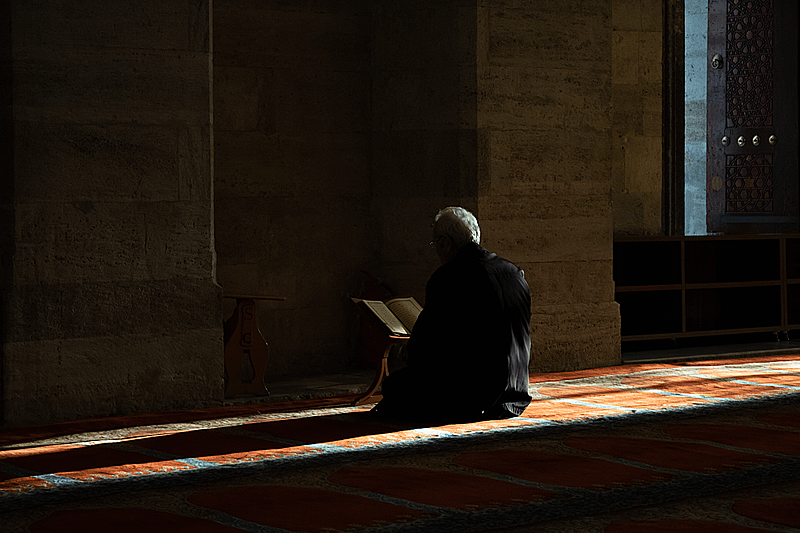
If Ramadan is the most blessed month of the year, then its last ten nights are the most blessed nights of the year. These are the nights the Prophet Muhammad (peace be upon him) would single out with a level of devotion unmatched during any other period. Aisha (may Allah be pleased with her) described how he would tighten his waist belt, stay up the entire night in worship, and wake his family — something he did not do during the first twenty nights.
The Significance of Laylatul Qadr
Indeed, We sent it down during the Night of Decree. And what can make you know what the Night of Decree is? The Night of Decree is better than a thousand months. The angels and the Spirit descend therein by permission of their Lord for every matter. Peace it is until the emergence of dawn.
— Quran 97:1-5 (Surah Al-Qadr)
This surah tells us four extraordinary things about Laylatul Qadr: it is the night the Quran was revealed, it is better than a thousand months of worship, the angels descend in abundance along with Jibril (peace be upon him), and it is a night of complete peace until Fajr. The scholars explain that the angels descend with mercy, blessings, and answers to du'a, and that the sheer number of angels on earth that night is greater than the number of pebbles on the ground.
When Is Laylatul Qadr?
The Prophet (peace be upon him) said: "Seek Laylatul Qadr in the odd nights of the last ten nights of Ramadan" (Bukhari). This means the 21st, 23rd, 25th, 27th, and 29th nights. However, many scholars note that the night shifts from year to year, which is why the Prophet instructed us to seek it throughout all ten nights rather than fixating on a single date.
The Prophet's Practice During the Last 10 Nights
- He would perform i'tikaf (spiritual retreat) in the masjid for the entire last ten days and nights, devoting himself fully to worship.
- He would "tighten his waist belt" — a phrase scholars interpret as both intensifying his worship and abstaining from marital relations.
- He would stay up the entire night in prayer, du'a, Quran recitation, and dhikr, not sleeping until after Fajr.
- He would wake his family members to pray and worship alongside him, showing that this is a communal spiritual effort.
- He increased his charity and generosity during these nights even beyond his already extraordinary generosity in Ramadan.
This was the man who had already been guaranteed Paradise, whose past and future sins were already forgiven. If the Prophet (peace be upon him) exerted himself to this degree during the last ten nights, how much more should we — who desperately need Allah's mercy and forgiveness — strive during this blessed period?
Signs of Laylatul Qadr
Several hadith describe observable signs of Laylatul Qadr, though these signs are typically noticed the following morning. The Prophet (peace be upon him) said: "Laylatul Qadr is a calm, serene night, neither hot nor cold, and the sun rises the following morning weak and red" (Ibn Khuzaymah). Other narrations describe the night as being exceptionally peaceful and the moon appearing like half a plate.
Recommended Acts of Worship
- Qiyam al-Layl (Night Prayer): Pray as many rak'ahs as you can with long, heartfelt recitation. Even if you only know short surahs, repeat them with sincerity and concentration.
- Quran Recitation: Dedicate extended time to reading, reflecting on, and listening to the Quran. Try to complete a khatm (full reading) during the last ten nights if you have not already.
- Du'a: Make lengthy, personal supplications. Bring a written list of everything you want to ask Allah — for yourself, your family, the ummah, and the oppressed around the world.
- Dhikr: Fill the gaps between prayers with SubhanAllah, Alhamdulillah, Allahu Akbar, la ilaha illallah, and istighfar. Keep your tongue moist with remembrance.
- Charity: Give sadaqah every single night of the last ten. Even a small amount ensures that your charity falls on Laylatul Qadr, multiplying its reward beyond imagination.
- I'tikaf: If possible, perform i'tikaf in the masjid. If not, create an i'tikaf-like environment at home — a dedicated space, minimal distractions, and maximum focus on worship.
Aisha's Du'a for Laylatul Qadr
Aisha (may Allah be pleased with her) asked the Prophet (peace be upon him): "O Messenger of Allah, if I know which night is Laylatul Qadr, what should I say?" He replied with a du'a that is breathtaking in its simplicity and depth.
Allahumma innaka 'afuwwun tuhibbul 'afwa fa'fu 'anni — O Allah, You are the Pardoner, You love to pardon, so pardon me.
— Tirmidhi — graded sahih
Planning Your Nightly Schedule
- Maghrib to Isha: Break iftar, pray Maghrib, eat a light meal. Avoid heavy food that will make you sluggish. Rest briefly if needed.
- Isha and Taraweeh: Pray Isha and the full Taraweeh at the masjid or at home with family. Focus on quality over speed.
- Post-Taraweeh to Midnight: Read Quran for 30-45 minutes. Make personal du'a from your list. Do dhikr and istighfar.
- Midnight to 2 AM: Take a short nap (set multiple alarms). This strategic rest will sustain you through the night.
- 2 AM to Fajr (Last Third of the Night): This is the most blessed time for du'a. Pray Tahajjud with long sujud. Pour your heart out to Allah. Recite the du'a of Aisha repeatedly.
- Suhoor and Fajr: Eat suhoor with the intention of worship, pray Fajr in congregation, and recite the morning adhkar before resting.
Staying Energized Through the Last 10 Nights
Involving Your Family
The Prophet (peace be upon him) would wake his family during the last ten nights, and this sunnah should not be overlooked. Encourage your spouse and older children to join you in worship. For younger children, create a simplified "Laylatul Qadr kit" with a du'a list, a coloring page about the night, and a small portion of Quran to read. Pray together, make du'a together, and let them see that these nights are the spiritual highlight of the entire year.