Ramadan10 min read
Taraweeh Made Simple: What to Recite, How to Prepare, and Staying Focused
Everything you need to know about Taraweeh prayer — from the number of rak'ahs to practical tips for maintaining focus and consistency.
Prayr Team · Islamic Content
Introduction: The Night Prayer of Ramadan
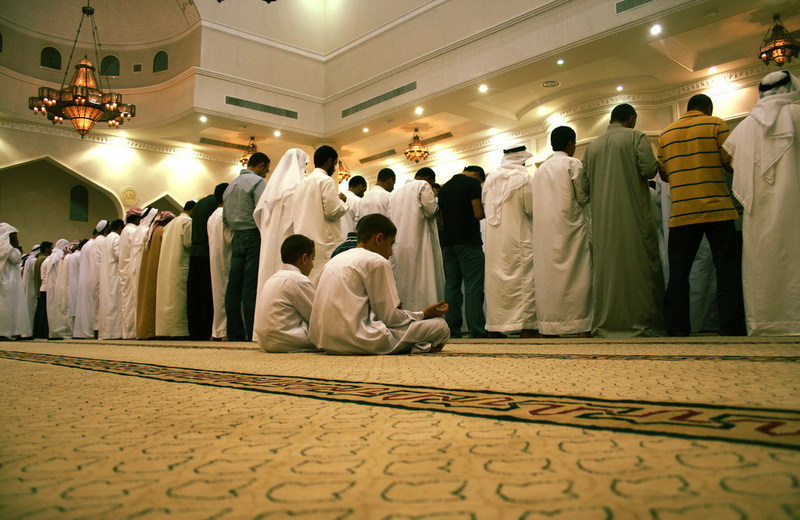
Taraweeh is one of the most beloved and distinctive acts of worship during Ramadan. Every night, mosques around the world come alive with rows of worshippers standing shoulder to shoulder, reciting the Quran in unison under the leadership of a hafidh or imam. For many Muslims, the experience of Taraweeh — the collective recitation, the late-night atmosphere, and the spiritual camaraderie — is what makes Ramadan truly special.
What Is Taraweeh?
Taraweeh comes from the Arabic root word meaning "to rest," because worshippers would take short breaks between every four rak'ahs due to the length of the prayer. It is a form of qiyam al-layl (night prayer) specific to Ramadan. The Prophet (peace be upon him) prayed it in congregation on a few nights, then stopped leading it publicly out of concern that it might become obligatory. Umar ibn al-Khattab (may Allah be pleased with him) later revived the congregational practice during his caliphate.
Whoever stands in prayer during Ramadan out of faith and seeking reward, all his previous sins will be forgiven.
— Sahih al-Bukhari 37 and Sahih Muslim 759
How Many Rak'ahs?
What to Recite in Taraweeh
If you are praying Taraweeh at home and are not a hafidh, you may wonder what to recite. The good news is that there is no minimum Quran requirement for Taraweeh — you can recite whatever you have memorized, even if it is the same surahs repeated across rak'ahs. The goal is to stand before Allah in prayer, not to complete a specific amount of Quran.
Recitation Options by Level
- Beginner: Recite Surah Al-Ikhlas, Al-Falaq, An-Nas, Al-Kawthar, An-Nasr, and Al-Masad in rotation. These short surahs are easy to memorize and perfectly valid for prayer.
- Intermediate: Use a mushaf (physical Quran) or app to read from. The Hanafi, Shafi'i, and Hanbali schools permit reading from a mushaf during voluntary (nafl) prayers, which includes Taraweeh.
- Advanced: Aim to recite one juz (part) per night to complete the entire Quran over 30 nights. This requires memorization or strong reading fluency but is a deeply rewarding goal.
- For all levels: Focus on reciting slowly and clearly (tarteel) rather than rushing. The Prophet (peace be upon him) said: "Beautify the Quran with your voices" (Abu Dawud).
Physical Preparation for Taraweeh
Standing in prayer for an extended period requires physical readiness. Your body is an amanah (trust) from Allah, and taking care of it is part of your worship. Simple preparation can make the difference between a Taraweeh you look forward to and one you dread.
- Eat a moderate iftar — overeating leads to discomfort, bloating, and drowsiness during prayer. Break your fast with dates and water, pray Maghrib, then eat a balanced meal.
- Stay hydrated between iftar and Taraweeh. Dehydration causes fatigue, headaches, and difficulty concentrating.
- Wear comfortable, loose-fitting clothes and shoes that are easy to remove. Tight clothing restricts movement in ruku and sujud.
- Stretch lightly before prayer if you experience back or knee pain. Strengthening exercises during non-Ramadan months will pay dividends.
- If you have a medical condition that makes standing painful, you are permitted to sit during prayer. There is no shame in praying seated — Allah rewards you based on your capacity.
Spiritual Preparation
Tips for Staying Focused During Taraweeh
- Follow along with the recitation using an app or mushaf between rak'ahs to know which surah is coming next.
- Listen to the Arabic even if you don't understand it — the Quran has a spiritual effect on the heart regardless of comprehension.
- During ruku and sujud, use the time to make personal du'a in your own language. The Prophet (peace be upon him) said sujud is the closest you are to Allah.
- If your mind wanders (and it will), gently bring it back without frustration. The struggle itself is worship.
- Focus on one ayah per night that moves you, and reflect on it during the breaks between sets of rak'ahs.
- Pray with a friend or family member — mutual encouragement helps maintain consistency and focus.
Home vs. Masjid: Which Is Better?
The practical reality is that some people focus better at the masjid because of the communal atmosphere and absence of household distractions, while others focus better at home where they can pray at their own pace. If your masjid rushes through Taraweeh at a pace that prevents you from reflecting on the Quran, praying at home at a slower pace may be more beneficial for you spiritually. The key is honest self-assessment: where do you truly worship better?
Women and Taraweeh
Involving Children in Taraweeh
Bringing children to the masjid for Taraweeh is a prophetic practice — the Prophet (peace be upon him) prayed while carrying his granddaughter Umamah. Start children with short portions: have them stand for one or two rak'ahs and then sit quietly with a book or activity. Gradually increase as they grow. At home, let children lead one or two rak'ahs of Taraweeh to build their confidence and connection to the prayer. The memories they form during Ramadan nights will shape their relationship with the month for life.